
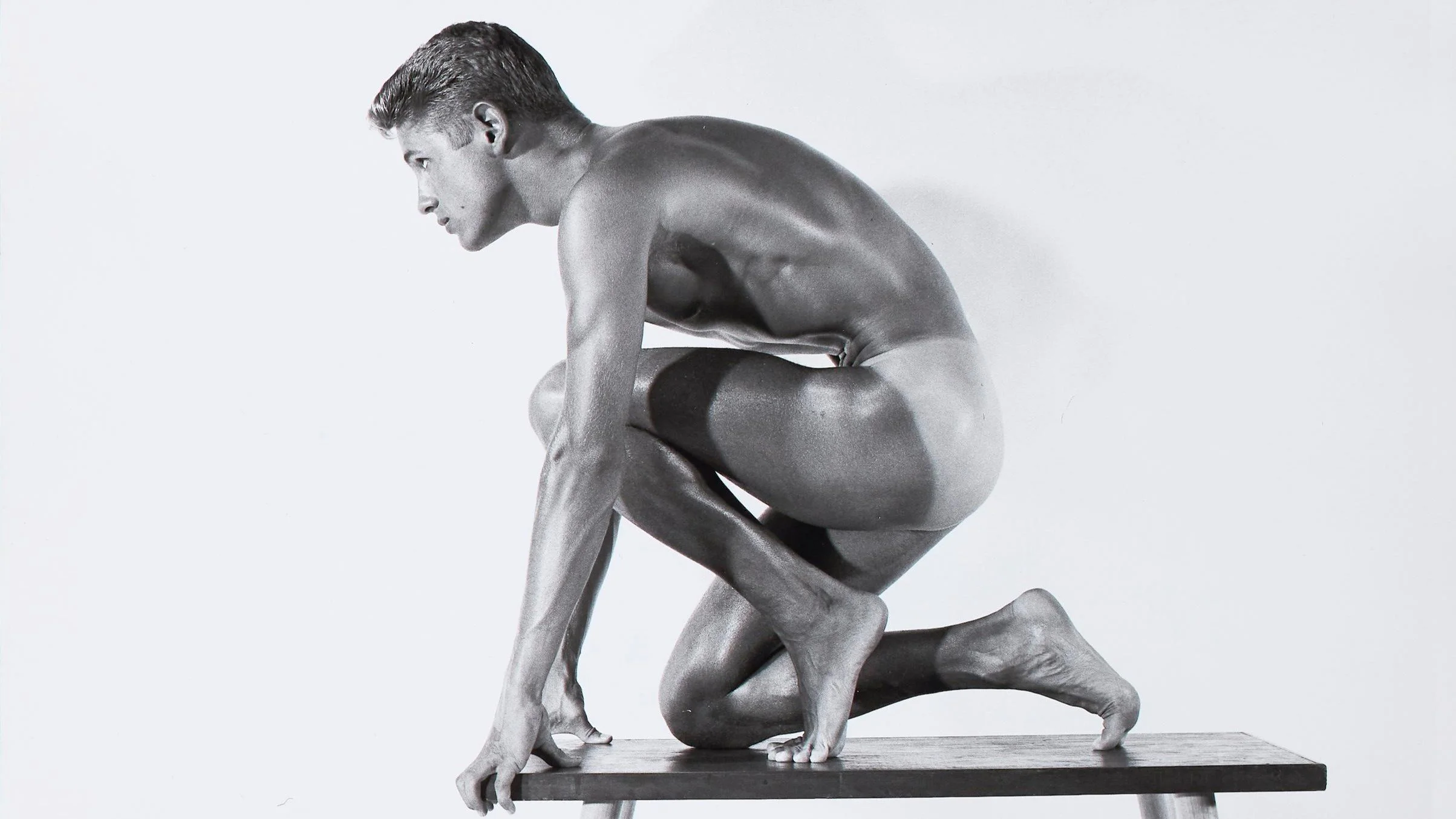
BRUCE OF LOS ANGELES
AMERICAN, 1909–1974
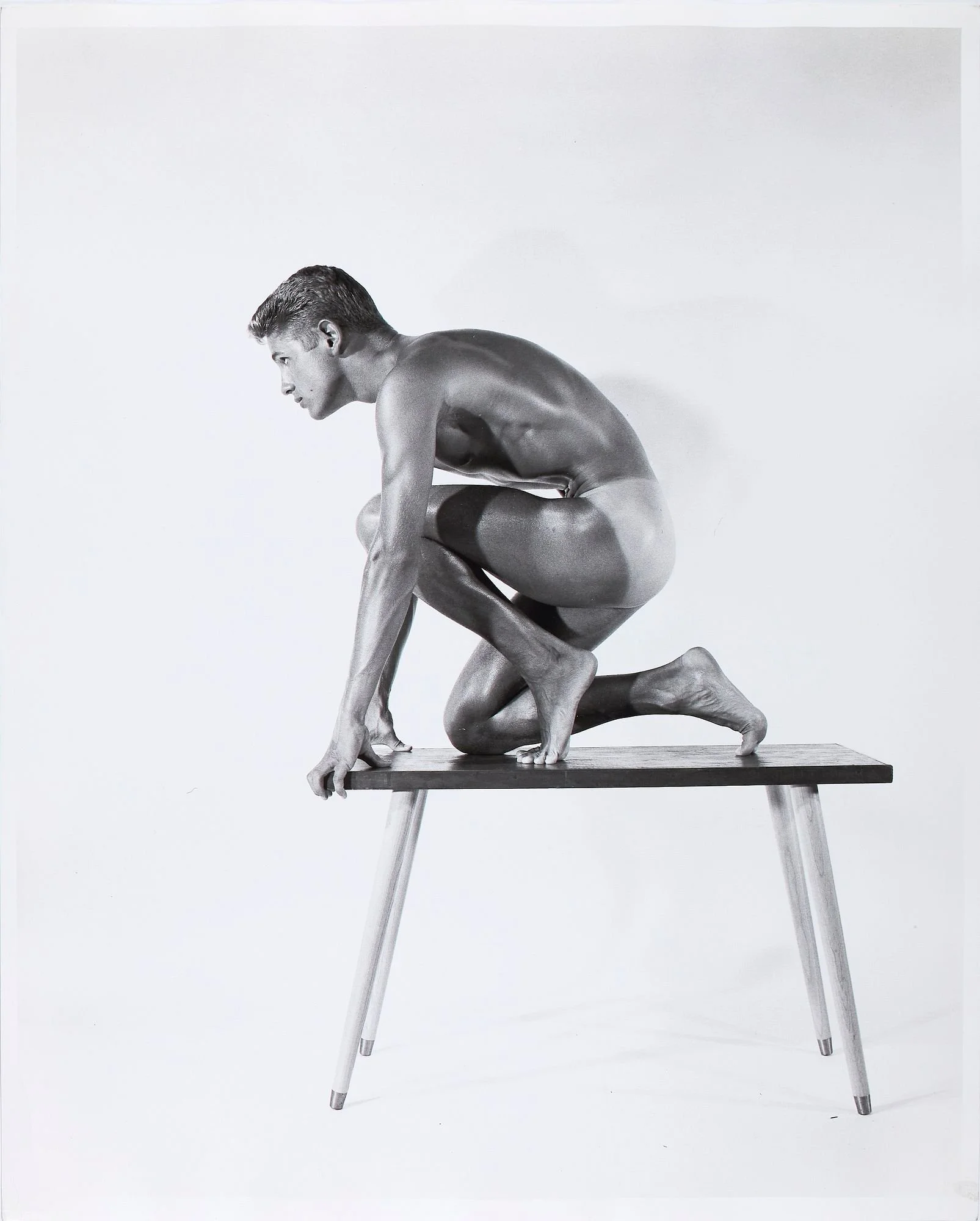
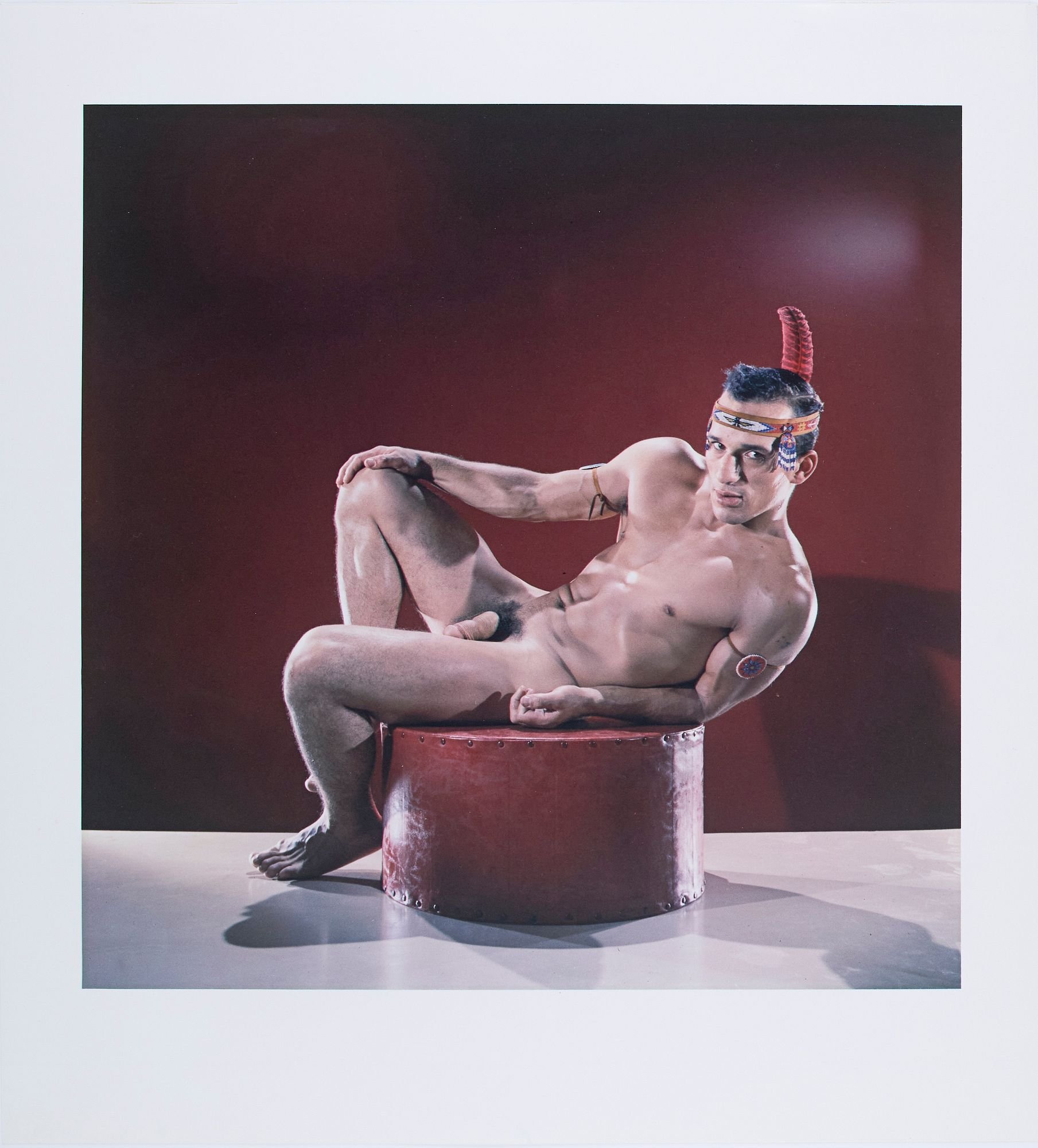
Bruce of LA. "Mark Nixon." 1959. Silver gelatin photograph. Offered in AFTER DARK on 28 August 2025.
NOTE: The following article is NSFW and includes images of artistic nudity.
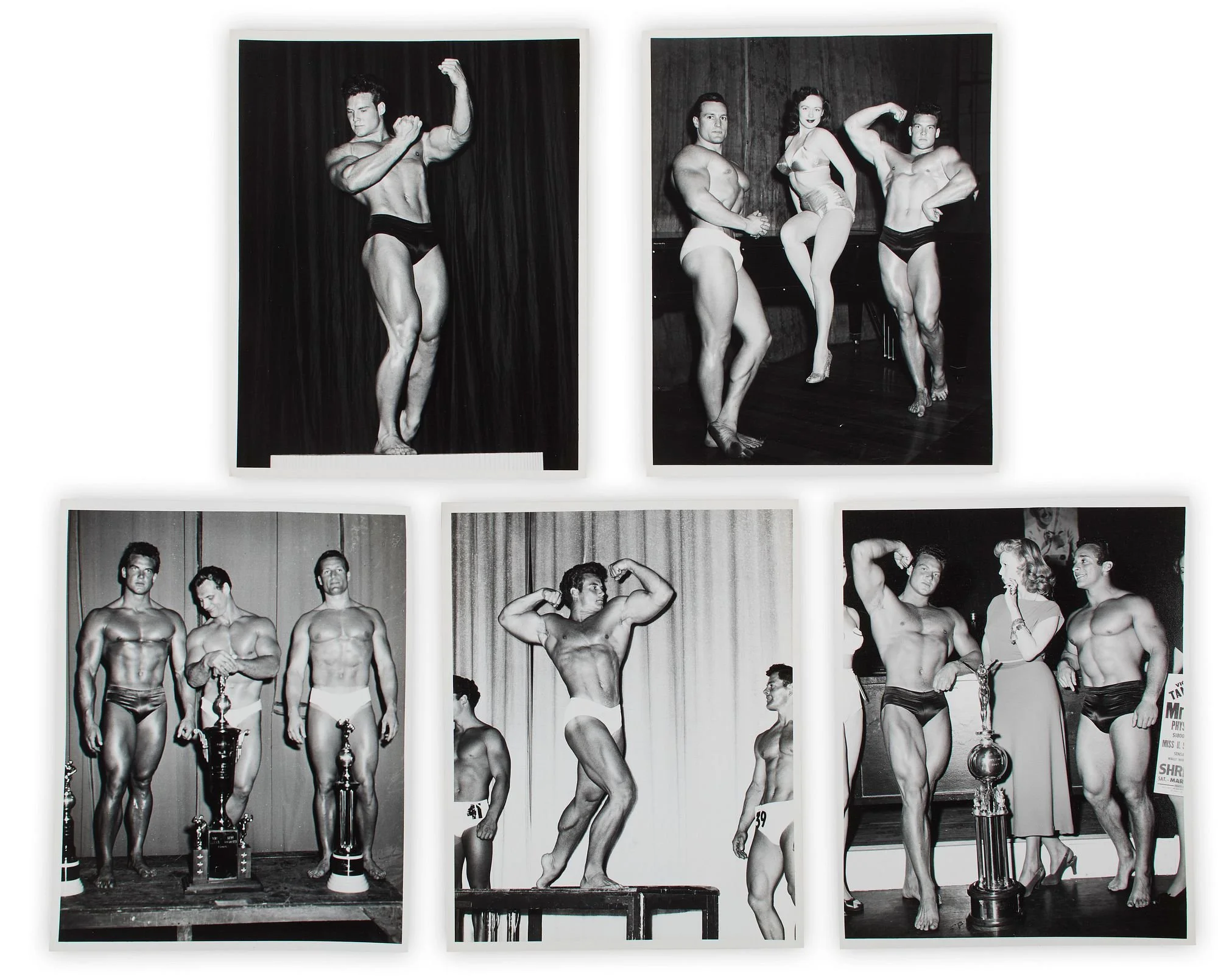
Bruce Bellas, better known by his alias Bruce of Los Angeles, was born in rural Nebraska in 1909. In the late 1940s, he abandoned his day job as a chemistry schoolteacher and relocated westward to California in order to fully pursue a career as a professional photographer. Early in his career, Bellas gravitated toward photographing working-class youths, cowboys, soldiers and navy marines. While in California, he began taking pictures of athletes and bodybuilders most notably on Muscle Beach in Venice near the Santa Monica Pier.
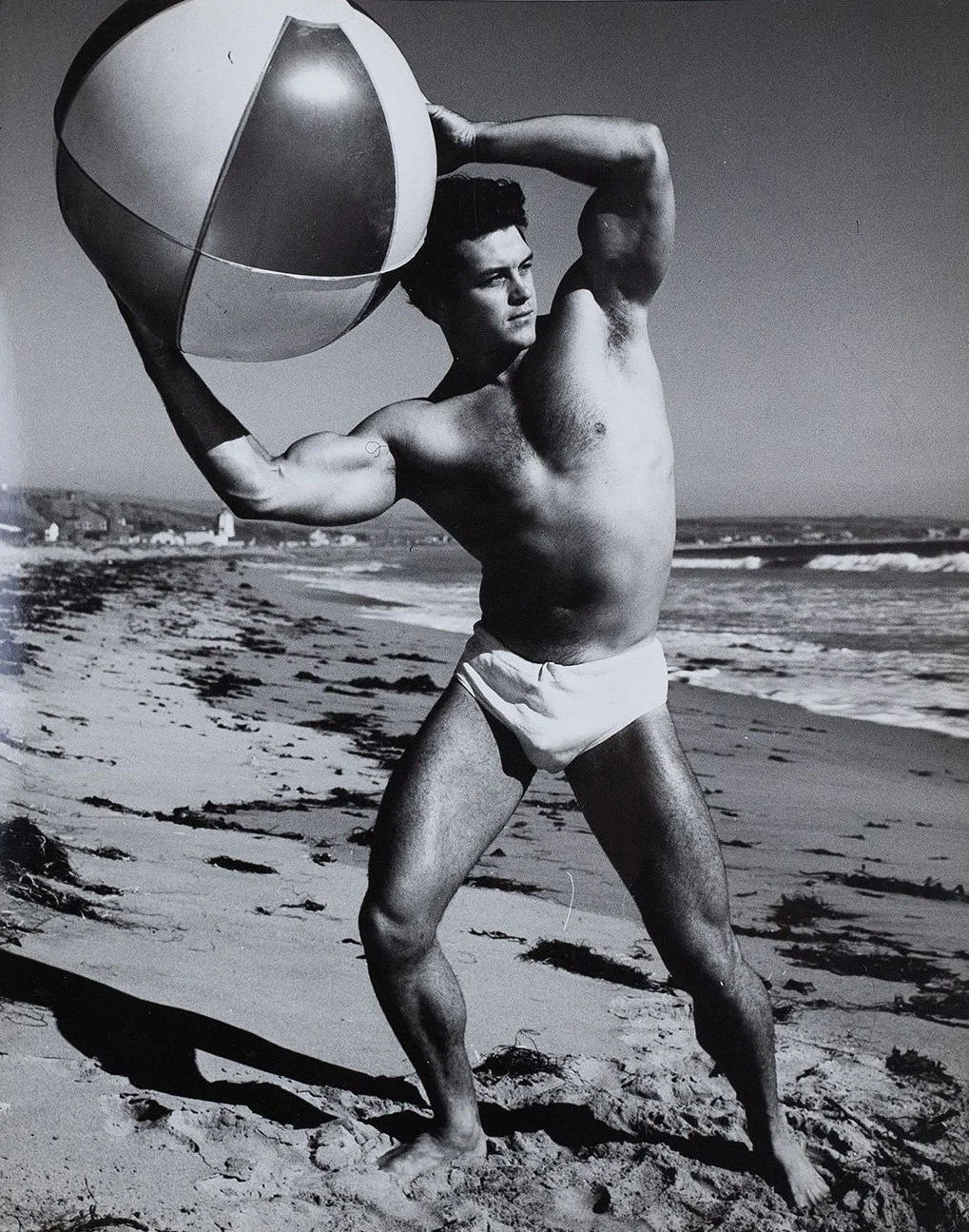
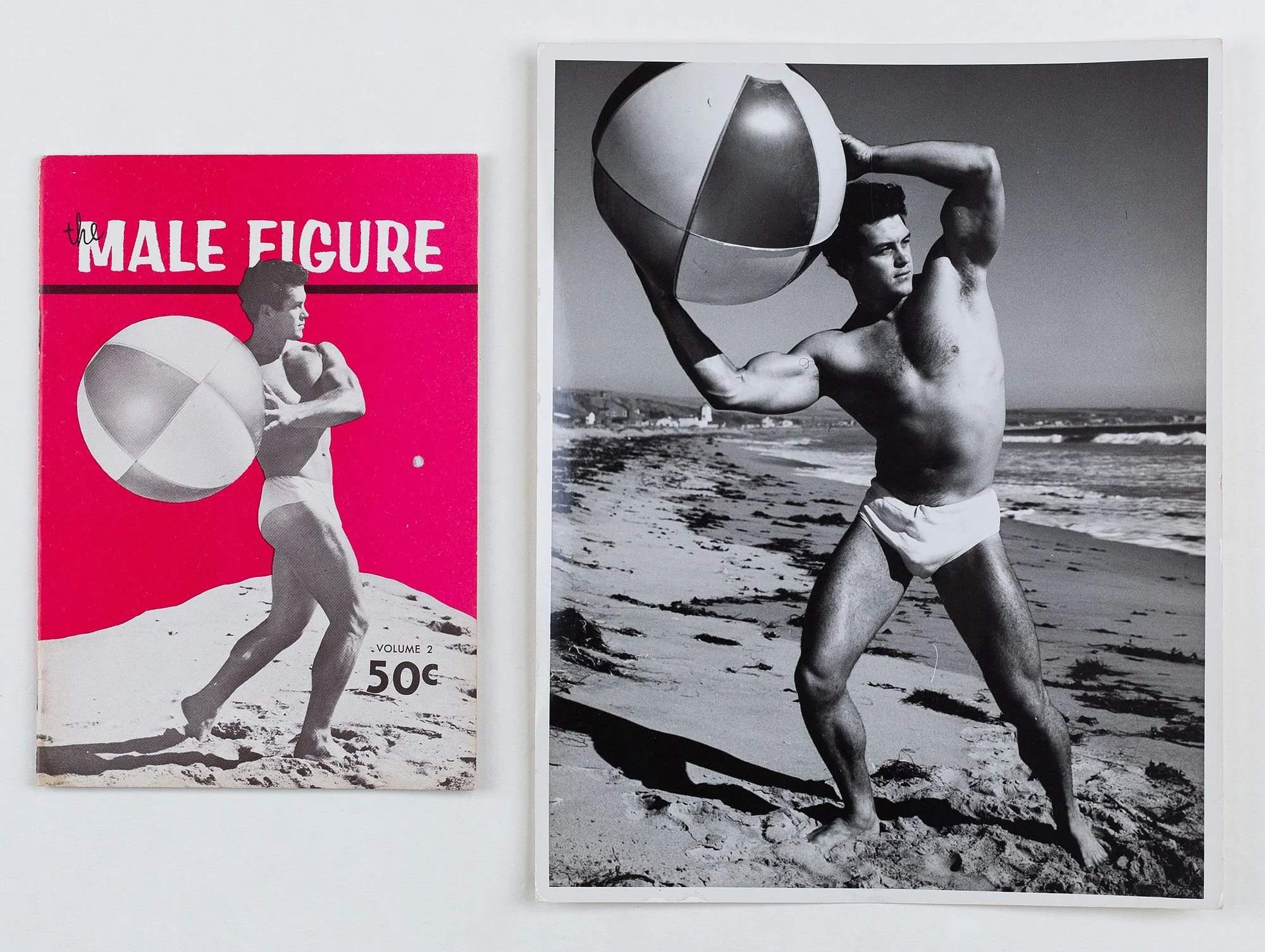
Bruce of LA. Original silver gelatin photograph, later reproduced in “Male Figure” Vol. 2. Offered in AFTER DARK on 19 December 2024.
Immersion in this culture of competitive bodybuilding gradually led Bellas to concentrate exclusively on the sculptural possibilities of the male body. Alongside Al Urban and Russ Warner, Bellas rapidly established himself as one of the leading physique photographers in postwar United States. Physique magazines functioned as a coded form of visual culture consumed by a predominantly gay male audience during a period when open representation remained criminalized or socially precarious.
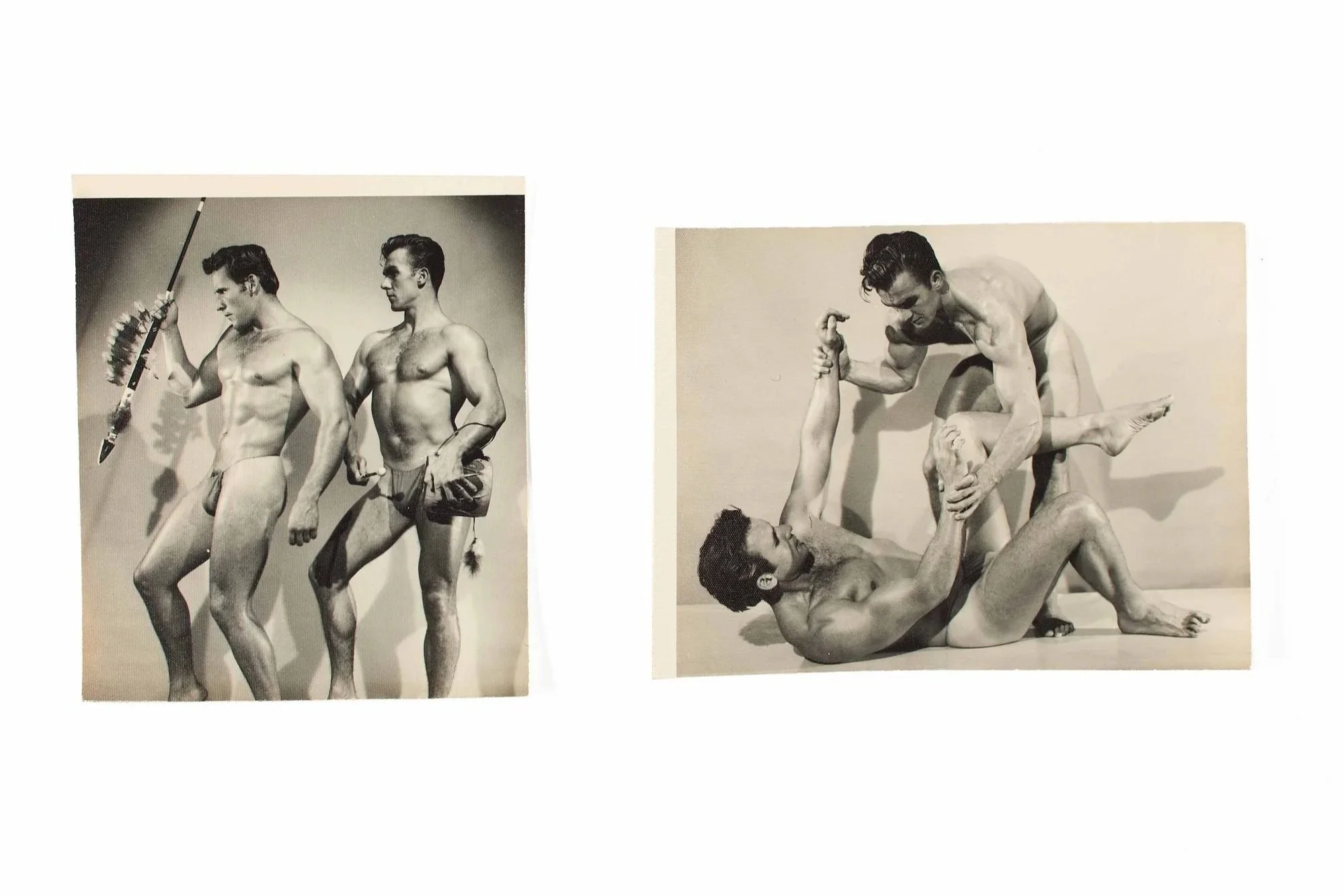
Through his physique photography, Bellas became one of the defining pioneers of the beefcake genre and a key documentarian of pre-Stonewall gay identity and culture. Bob Mizer, a contemporary of Bellas, often employed props — bows, javelins, costumes — and theatrical staging to link his homoerotic physique photography to classical antiquity in the tradition of Wilhelm von Gloeden’s nude studies of young men. Bellas instead developed a distinct visual approach by prioritizing the male figure itself, using natural lighting and minimal staging to emphasize physical form and muscular detail.
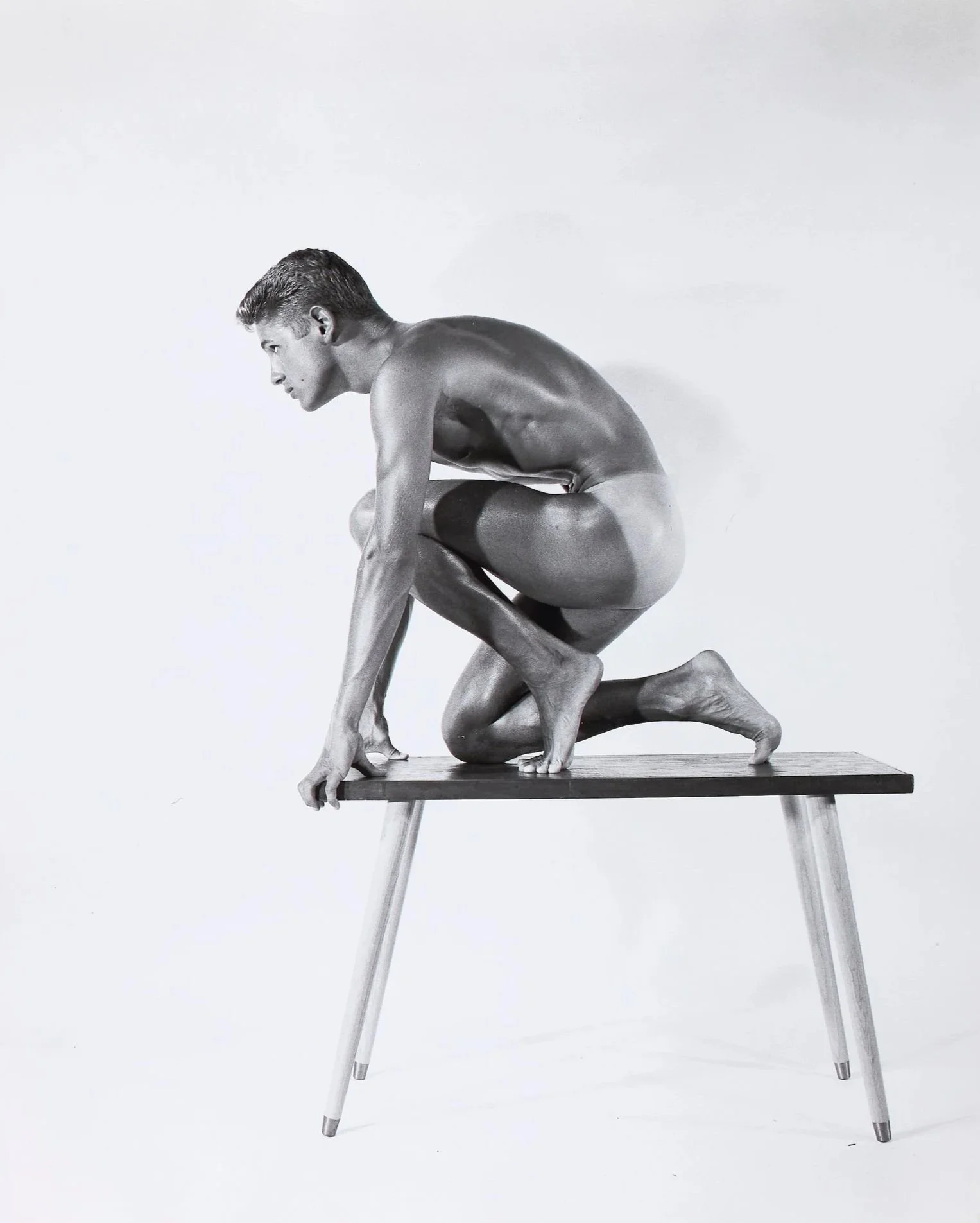
Bruce of LA. "Mark Nixon." 1959. Silver gelatin photograph. Offered in AFTER DARK on 28 August 2025.
As historian Thomas Waugh has summarized, the career of Bellas was defined by his technical precision as a photographer and erotic imagination catering to an underground gay market:
“Equal parts chronicler of the sport of bodybuilding, photographic artist-technician, and carnal visionary, Bruce made his mark in both studio and natural settings, in both shimmering black and white and lurid Kodachrome, in both formal poses that sculpted titanic champions and informal portraits that recorded illicit interactions”. [1]
To navigate censorship laws, Bellas typically photographed his models wearing posing straps that concealed the genital area. While travelling across the United States scouting new subjects for his mail-order physique catalogues, he also privately distributed nude portfolios to avoid to interception by US postal authorities. In 1956, he launched his own bimonthly physique magazine, called The Male Figure, expanding his commercial reach.
Later in his career, Bellas transitioned from his signature monochrome mode into color photography, including Super 8 films with playful, camp-inflected titles such as Big Gun for Hire and Cowboy Washup.
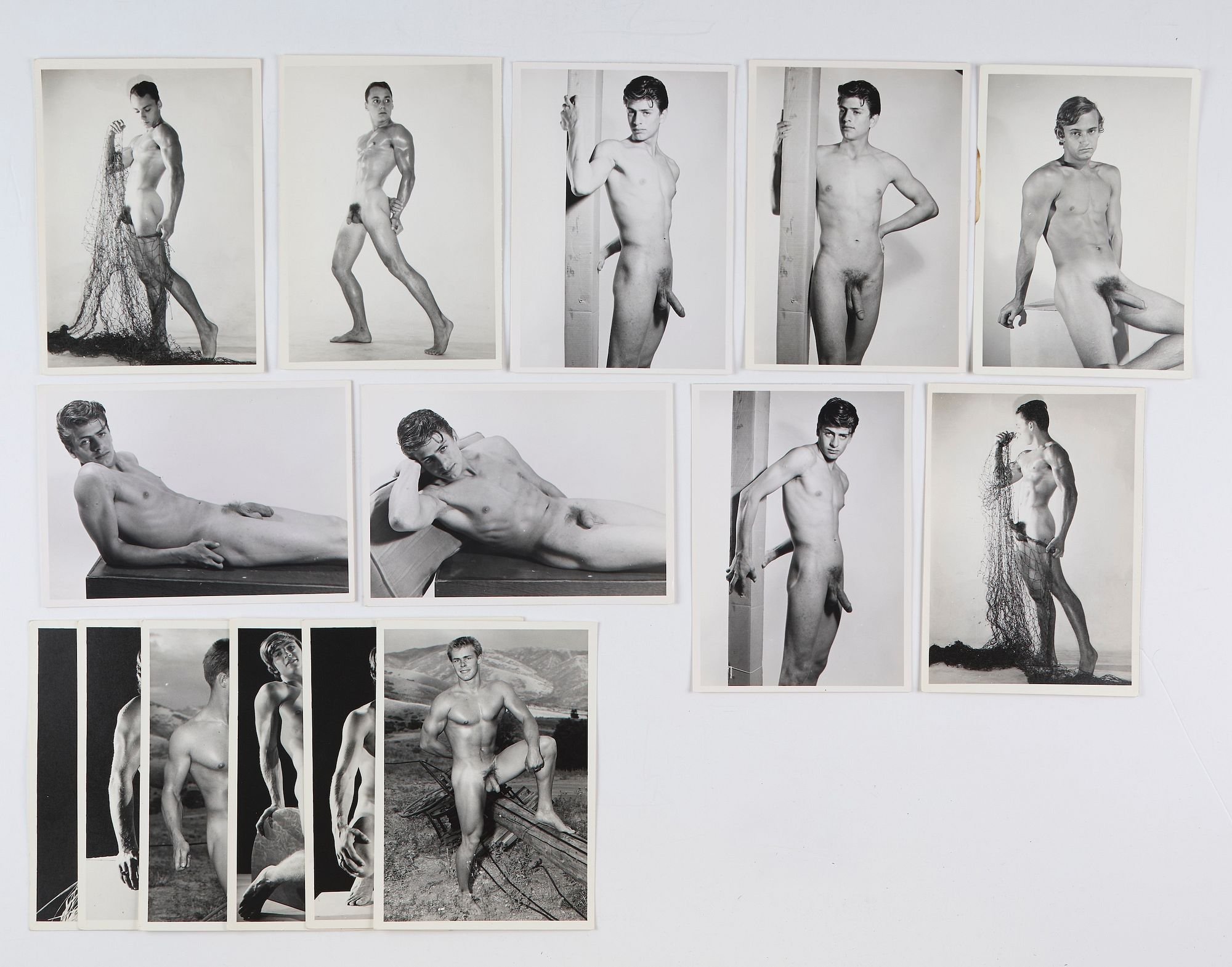
Led by the publishers of Grecian Guild Pictorial, a landmark 1968 Supreme Court case ruled that full frontal male nudity could no longer be prosecuted as obscene material. As restrictions loosened, Bellas and physique photographers moved toward more explicit nudity in their work.
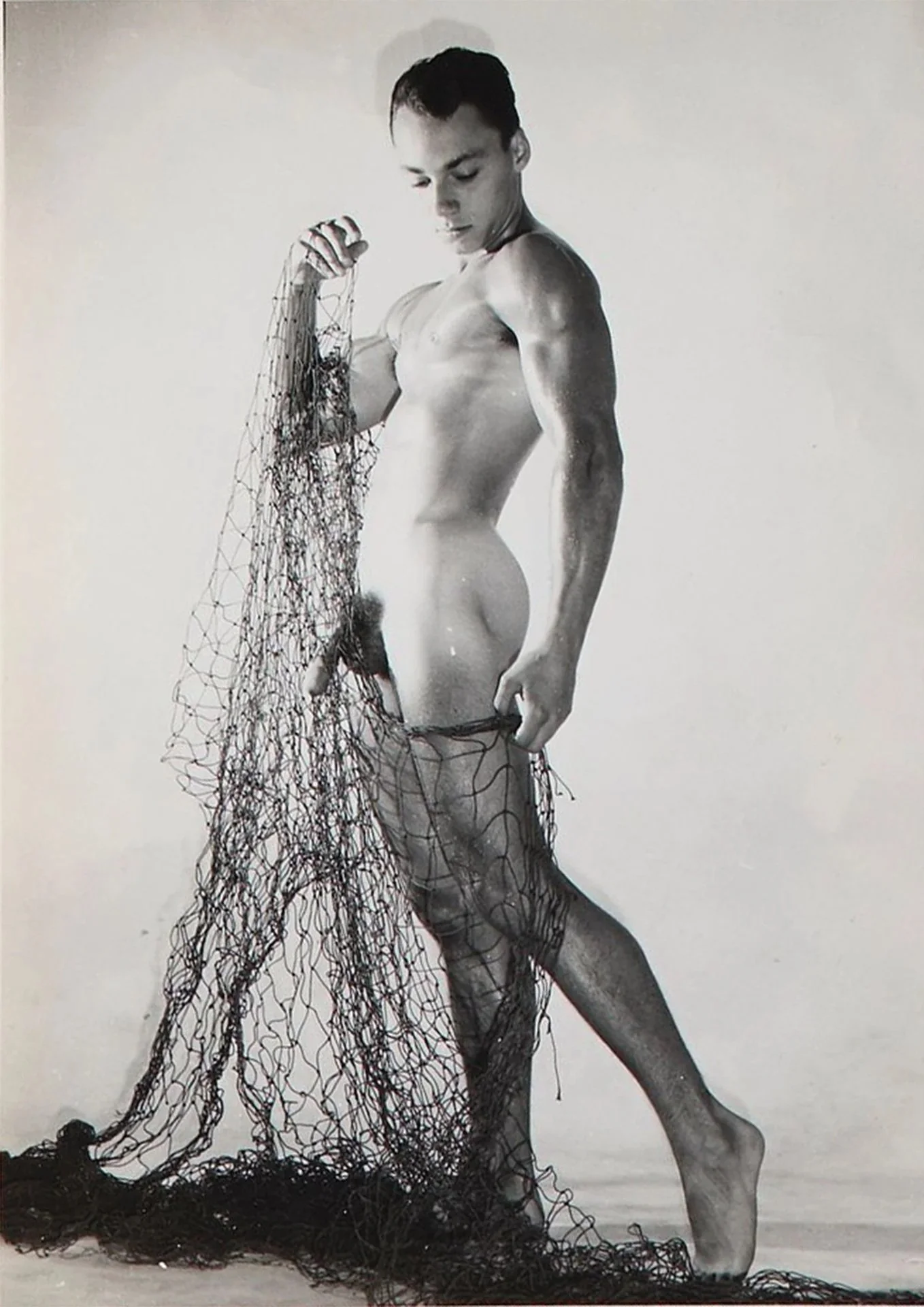
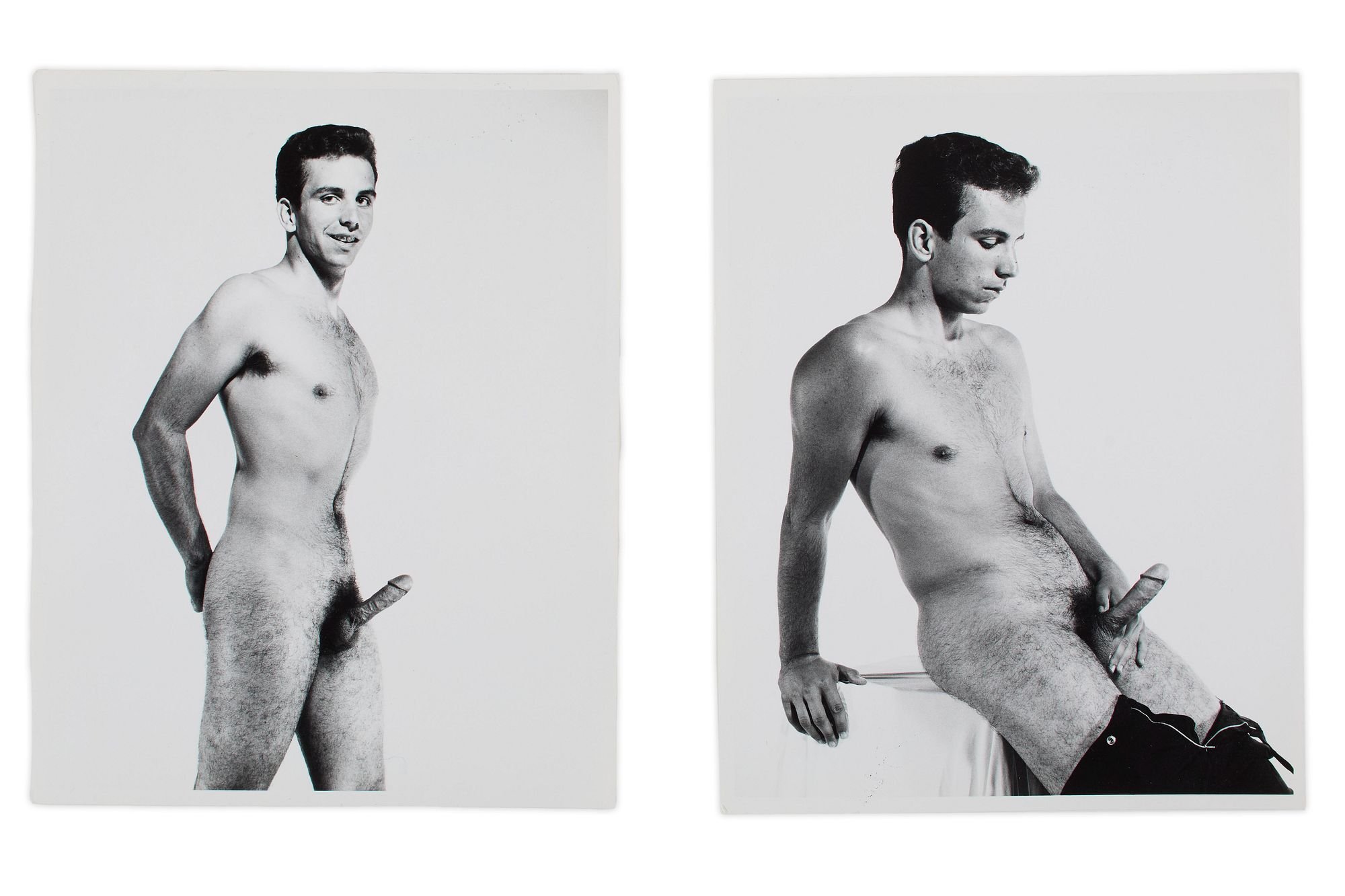
Bruce of LA. Silver gelatin photograph. Offered in AFTER DARK on 6 November 2025
Bellas died suddenly while on holiday in Canada in 1974. He left his estate to longtime model and companion Scotty Cunningham.
Bruce Bellas’ work continued to shape the next generation of black-and-white analogue photographers working across fashion and fine art, particularly in the sculptural treatment of the eroticized male body and high-contrast tonal modeling that was later developed by Herb Ritts, Robert Mapplethorpe, and Bruce Weber.
Notes
[1] Thomas Waugh, "Bruce of Los Angeles", in Encyclopedia of Gay Histories and Cultures, edited by George Haggerty. New York and London: Routledge, 2000, p. 227.
Contributors
Barry Oliver
Cataloger, LGBTQ+ Art & Material Culture
NOTABLE LOTS
Click the lot image for more information